Renovating an Additional Dwelling Unit (ADU) in your first home is an exciting yet daunting project. Many first-time homeowners face a sea of material choices, each with its pros and cons. This guide is tailored for you, navigating the intricacies of selecting the perfect materials for your ADU project.
The right materials can transform your ADU from a functional space into a stylish, comfortable extension of your home. But with so many options, from traditional wood to modern composite materials, making an informed choice can be challenging. This article provides the knowledge and tools to confidently select materials that align with your budget, aesthetic, and long-term goals, ensuring a successful ADU renovation for first-time homeowners.
- Understanding ADU Basics: A First-Time Homeowner's Guide
- Material Considerations for Your ADU Budget
- Durability vs. Cost: Picking the Right ADU Materials
- Local Regulations and Material Selection for ADUs
- Sustainability in ADU Renovations: Eco-Friendly Materials
- Installation and Longevity: Ensuring Your ADU's Success
Understanding ADU Basics: A First-Time Homeowner's Guide

For first-time homeowners considering an ADU (Accessory Dwelling Unit) renovation, understanding the basics is crucial. An ADU is a standalone housing unit on your property, offering a separate living space for guests, rental income, or even your own family. This popular trend, especially in urban areas, provides a practical solution for expanding your living space while potentially increasing property value.
Before examining materials, it's essential to familiarize yourself with local regulations and zoning laws regarding ADUs. Every jurisdiction has its own set of rules, and understanding these is a key step in the renovation process. Some areas may require specific design elements or set limits on the number of ADUs allowed per property. Consulting your local government or a property repair specialist can provide valuable insights into these regulations. Once you're aware of the legal aspects, you can start considering the practicalities of sustainable ADU design and construction.
The choice of materials matters in both the aesthetics and longevity of your ADU. As a first-time homeowner, prioritizing durability and energy efficiency is advisable. Sustainable building practices are not only environmentally friendly but can also reduce long-term maintenance costs. Natural materials like wood and stone offer both beauty and longevity, while modern composite materials can enhance insulation and reduce noise transmission. A well-insulated ADU not only keeps occupants comfortable but can also contribute to better energy efficiency, a key consideration for many first-time ADU landlords.
Seeking reviews from fellow first-time ADU homeowners can provide invaluable insights. Online forums and community groups offer a wealth of knowledge, sharing experiences and lessons learned. A comprehensive first-time ADU landlord legal guide is also essential, ensuring you understand the responsibilities and rights that come with owning a rental property. By combining practical knowledge with expert advice, you can make informed decisions, ensuring your ADU renovation is a successful and rewarding experience.
Material Considerations for Your ADU Budget
When planning your first ADU renovation, budgeting for materials is a crucial step. As a first-time ADU homeowner, you'll want to balance quality with cost-effectiveness. Insulating your ADU, for instance, is essential for energy efficiency but can be done without breaking the bank. Consider eco-friendly options like cellulose insulation, which offers excellent R-values at a lower cost than traditional materials. This not only helps manage utility costs but aligns with the growing trend of sustainable living.
First-time ADU financing options also play a significant role in material choices. Depending on your budget, you might opt for DIY projects, which can be cost-saving but require time and skill. Many homeowners choose to install flooring themselves, saving labor costs. Alternatively, professional services offer quicker, more guaranteed results, though they come at a higher price. It's essential to weigh the pros and cons of each option based on your time availability, skill level, and financial situation.
Reviews from other first-time ADU homeowners can provide invaluable insights. Online forums and community platforms offer a wealth of information, from successful renovation projects to common pitfalls. One homeowner shared their experience with different insulation types, highlighting the long-term benefits of cellulose insulation. These real-world accounts can guide your material choices and help you make informed decisions tailored to your needs and budget.
Remember, selecting the right materials for your first ADU renovation is a balance between functionality, aesthetics, and cost. By understanding your financing options, exploring eco-friendly alternatives, and learning from community reviews, you can create a living space that meets your needs without exceeding your budget.
Durability vs. Cost: Picking the Right ADU Materials
When first-time homeowners in Twin Springs consider adding a secondary dwelling unit (ADU), material selection is crucial.
Local Regulations and Material Selection for ADUs
When embarking on your first ADU renovation, understanding local regulations and selecting the right materials is crucial. These factors not only impact the project's timeline and budget but also ensure compliance with building codes and property restrictions. In many areas, including Twin Springs and Siloam Springs, local governments have specific guidelines for Accessory Dwelling Units (ADUs), aiming to maintain neighborhood character and safety standards. Before breaking ground, first-time ADU landlords should consult a comprehensive legal guide tailored to their region.
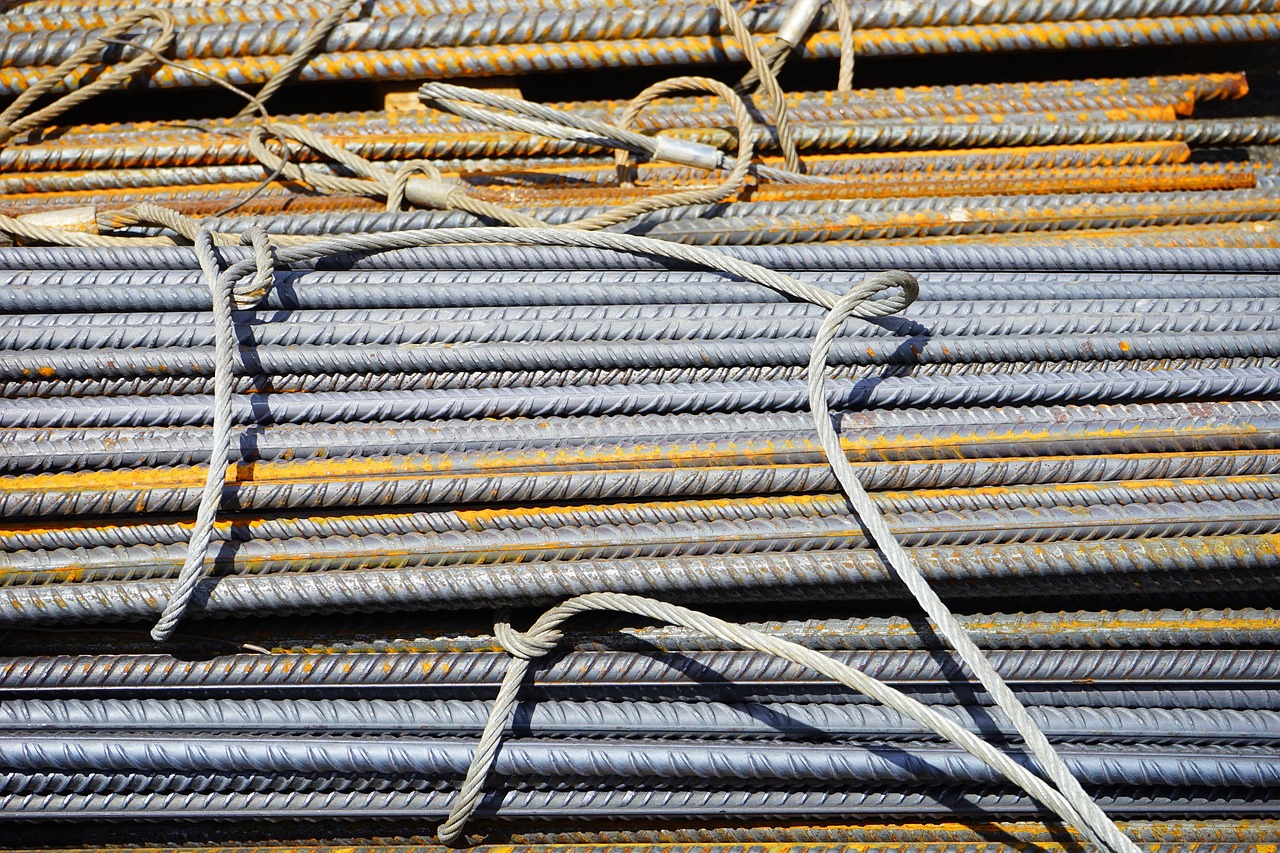
Material selection matters in the success of your project. Cost-effective ADU solutions abound, from prefab materials to locally sourced, sustainable options. Concrete and steel are popular choices for their durability and low maintenance, while wood can offer a more affordable and aesthetically pleasing alternative. Reliable ADU building companies can provide expert advice on material choices that align with your budget and design vision. Consider the climate and local conditions; some materials may be more suitable for specific environments, impacting long-term performance and maintenance costs.
Navigating local regulations and choosing the right materials can seem daunting, but with careful planning, it becomes a manageable process. Engage with experienced professionals who understand the nuances of ADU construction in your area. They can guide you through the legal requirements and help select materials that not only meet but exceed the necessary standards. For first-time ADU landlords, this strategic approach ensures a smoother renovation journey, resulting in a well-built, compliant, and attractive unit that maximizes rental potential.
Sustainability in ADU Renovations: Eco-Friendly Materials
When planning a first-time ADU renovation, sustainability should be a key consideration. Eco-friendly materials not only reduce your environmental impact but can also enhance the long-term value of your property. As a first-time ADU homeowner, you have the opportunity to make responsible choices that contribute to a healthier planet.
One of the most significant steps in the first time ADU permit process is selecting durable, low-maintenance materials. Local licensed ADU contractors recommend opting for products with recycled content, like recycled steel or reclaimed wood, to minimize waste. Choosing recycled steel for framing can save energy compared to traditional materials, as the manufacturing process consumes less energy and generates fewer greenhouse gas emissions. Consider materials with a long lifespan, such as high-quality insulation, which reduces the need for frequent replacements.
Water conservation is another critical aspect of sustainable ADU renovations. First time homeowners can opt for low-flow fixtures, like water-efficient toilets and faucets, to significantly cut water usage without compromising functionality. Incorporating dual-flush toilets or low-flow showerheads is a simple yet effective way to save water. Using materials with a built-in moisture barrier, like water-resistant drywall or waterproof membranes, helps prevent water damage and reduces the need for costly repairs. These choices not only save resources but also save you money in the long term.
Lastly, proper insulation is vital for energy efficiency. First time homeowners should consider materials like cellulose or fiberglass insulation, which offer excellent R-values, blocking heat gain and loss. This ensures a comfortable living environment while reducing energy consumption. Many local licensed ADU contractors offer recommendations tailored to your region, taking into account local climate and building codes. By combining these sustainable practices, you'll create a well-insulated, water-efficient, and environmentally friendly ADU, enhancing the livability of your temporary housing solutions for first time homeowners while minimizing your ecological footprint.
Installation and Longevity: Ensuring Your ADU's Success
When selecting materials for your first ADU renovation, one of the most critical factors for a successful project is considering both installation and longevity. The process of installing an accessory dwelling unit (ADU) involves specialized techniques and materials that ensure its durability and functionality. First-time homeowners often have questions about which materials are best suited for their new space, especially when navigating the unique requirements of ADU construction.
Framing materials like timber or steel are popular choices for ADUs due to their strength and versatility. However, the choice should also consider the local climate and potential pests. In areas like Twin Springs, where Siloam Springs' zoning laws for ADU construction dictate specific building practices, it's essential to select materials that can withstand the region's unique conditions. A professional ADU design service can offer expert advice tailored to your location, ensuring compliance with local regulations and optimal performance. The right materials, installed properly, can make a significant difference in the long-term success of your ADU.
Longevity is a key aspect of ADU renovation. The materials you choose should be able to withstand the test of time, especially in high-moisture areas or regions with extreme weather patterns. Proper installation is equally vital. Poor installation can lead to costly repairs or even structural issues down the line. It's advisable to consult nearby ADU construction experts who have experience in your area and can provide guidance on the most suitable materials and installation methods. For first-time homeowners, this level of expertise can be invaluable, ensuring that your ADU renovation is not only efficient but also durable.
Remember, the goal is to create a safe, comfortable, and compliant living space that enhances the value of your property. By selecting the right materials and working with professionals who understand the nuances of ADU construction, you can achieve a successful and lasting renovation.
Frequently Asked Questions About Choosing the Right Materials for Your First ADU Renovation
What is an ADU, and why am I considering one? An Accessory Dwelling Unit (ADU) is a separate, self-contained housing unit on a property, often built in the backyard. It's a popular choice for first-time homeowners seeking extra space, whether for rental income, family, or personal use. When renovating an ADU, choosing the right materials is key to ensuring durability, aesthetics, and long-term value.
How do I select materials that align with my budget? Budgeting is a crucial step. Start by determining your financial limits. Then, research materials that offer the best value. Consider the cost of acquisition, installation, and long-term maintenance. Look for materials with a good balance between quality and price, and remember that sometimes investing in a premium material can save costs in the long run due to reduced maintenance or longevity.
What factors should I consider when choosing building materials? Several factors influence your choice. First, consider the climate: materials that withstand local weather conditions are essential. Think about the aesthetic you desire and the overall design of your home. Durability and low maintenance are also vital, especially for an ADU that might be rented out. Consult with a contractor to understand the best options for your specific needs and location.
Are there any environmental considerations when selecting materials? Absolutely. Using eco-friendly materials reduces your project's environmental impact. Opt for recycled or sustainably sourced products where possible. Energy-efficient materials, such as insulated framing or low-e windows, can also lower utility costs. Consider local building codes and regulations that promote sustainable construction.
How can I ensure the materials I choose are safe? Safety is paramount. Check that materials meet local building codes and standards. Look for products certified by reputable organizations that ensure safety and quality, such as the UL (Underwriters Laboratories) or ANSI (American National Standards Institute). Always follow manufacturer instructions during installation to guarantee the safety and durability of your ADU.
When considering your first ADU renovation as a first-time homeowner, the choice of materials is crucial. By understanding local regulations and balancing durability with cost, you can make informed decisions that align with your budget and long-term goals. Incorporating sustainable options not only benefits the environment but can also enhance your property's value.
Key takeaways include:
- Prioritize materials that meet local building codes and permit requirements, ensuring a safe and compliant structure.
- Evaluate material durability, longevity, and resistance to local environmental factors to minimize future repairs.
- Consider the environmental impact and potential cost savings of eco-friendly materials, such as energy-efficient insulation or recycled building products.
- Consult with professionals, like Twin Springs Renovations, to get personalized advice tailored to your property and needs.
For first-time homeowners embarking on their first ADU project, these insights can streamline the renovation process, ensuring a successful and fulfilling outcome.
For first-time homeowners considering an ADU renovation, understanding local regulations, selecting sustainable and durable materials, budgeting for financing options, and learning from community reviews are crucial steps. Prioritize long-term value and comfort by balancing cost-effectiveness with quality. Consult professionals and tap into online resources for expert advice tailored to your region and budget.