As the aging population grows, creating accessible and comfortable living spaces for seniors has become a critical focus. Many first-time homeowners find themselves facing a challenge when considering where and how to accommodate aging relatives or friends. An ADU (Accessory Dwelling Unit) offers a practical solution, providing an independent living space while staying connected to the main residence. This article explores the process of creating an ADU for seniors, from navigating legal and regulatory frameworks to planning and design considerations. We'll examine financial options, practical steps, and client services that support this major process. By the end, readers will have a comprehensive understanding of how to build a supportive and comfortable ADU for loved ones.
- Understanding ADUs: Benefits for Senior Living
- Assessing Your Home: Preparing for an ADU Conversion
- Designing Accessible Spaces: Safety First
- Building Legal Compliance: Permits and Regulations
- Creating Comfortable Living: Interior Design Ideas
- ADU for First-Time Homeowners: A Step-by-Step Guide
Understanding ADUs: Benefits for Senior Living
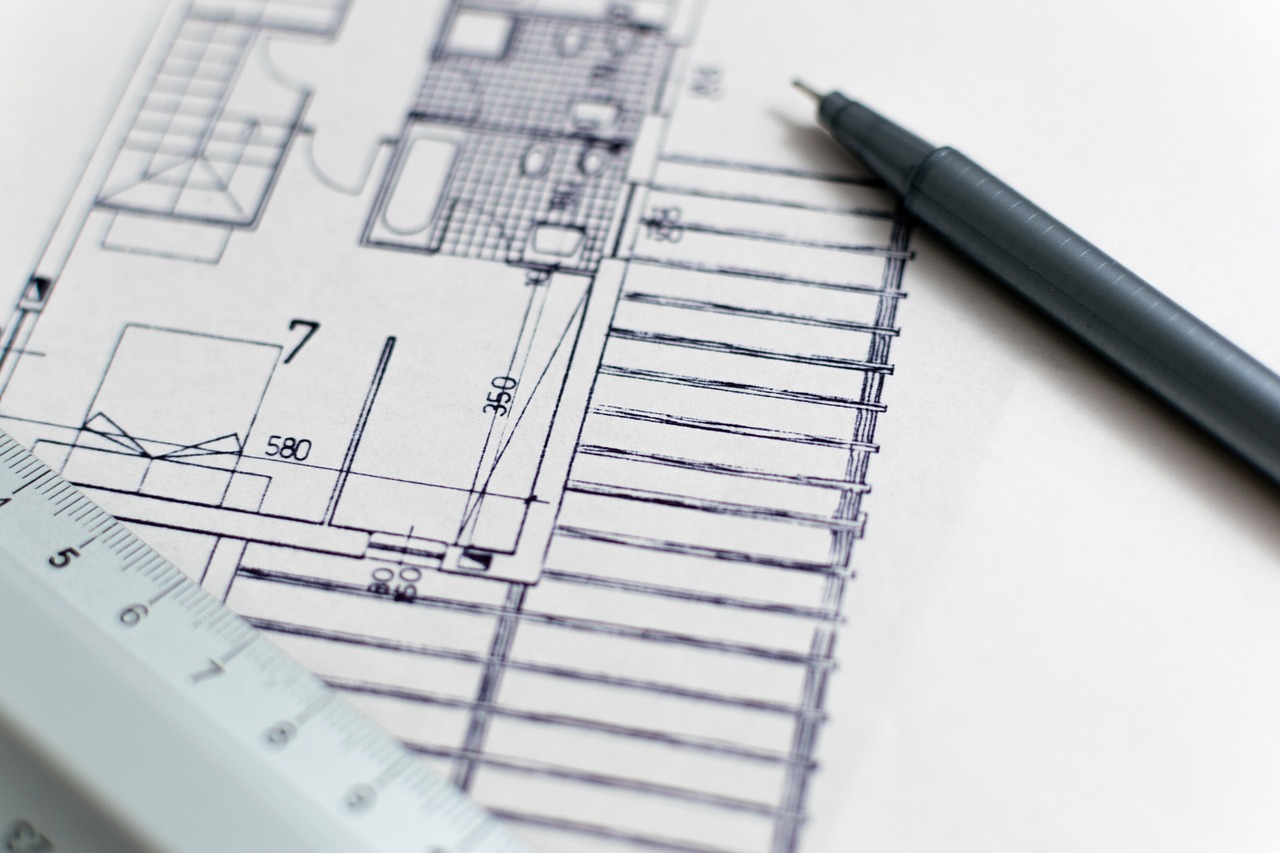
For many seniors, downsizing and creating a comfortable, accessible living space is a significant consideration. ADUs (Accessory Dwellings Units) offer a practical solution, providing extra living space tailored to individual needs while maintaining the independence and comfort of home. Understanding the benefits of ADUs can be a major improvement for first-time homeowners looking to accommodate aging family members or create a supportive environment for seniors.
One of the key advantages is the flexibility they offer in terms of design and functionality. ADUs can be customized to suit specific mobility requirements, from wider doorways and ramps to specialized equipment integration. A trusted ADU builder near me might design a space with lower countertops for easier accessibility in the kitchen, or a roll-under sink, catering to seniors with limited mobility. This level of personalization ensures comfort and safety, allowing seniors to age gracefully in their homes.
Financial considerations are also a critical aspect. Insulating an ADU on a budget is achievable through smart design choices and the use of affordable materials. According to a 2022 study, well-insulated ADUs can reduce energy costs by up to 30%, making them a sustainable and cost-effective option. First-time homeowners can benefit from government incentives and grants targeted at making ADU construction more accessible and affordable. Some local building departments offer reduced permit fees for seniors opting for ADU additions, further encouraging this adaptive housing solution.
ADUs can be a strategic way to create intergenerational living spaces, fostering connections between young and old. This arrangement can provide seniors with the company of family members while offering them dedicated, comfortable living quarters. With careful planning and the expertise of ADU builders, it's possible to create an affordable ADU for first-time buyers that meets the specific needs of seniors, ensuring a supportive and independent lifestyle.
Assessing Your Home: Preparing for an ADU Conversion
When considering an ADU (Accessory Dwelling Unit) conversion for the first time, assessing your home's potential is an important step. This process involves more than just evaluating space; it's about understanding your property's unique characteristics and how they fit within the local legal framework. As a first-time ADU homeowner, you'll want to engage with certified ADU renovators who can guide you through this assessment, ensuring compliance with local building codes, zoning regulations, and accessibility standards.
Your local Building Department and Zoning Board are your first points of contact. They can provide insights into permitted structures, set-back requirements, and any special considerations for your area. In densely populated urban centers, ADU regulations might be more stringent, while suburban or rural areas may offer more flexibility. Architects and interior designers play a key role here, helping to envision the space's potential and design an ADU that smoothly blends with your home. They can also assist in navigating local planning departments to obtain the necessary permits.
Financial planning is another vital aspect. Certified ADU renovators can help you explore first-time ADU financing options, which may include loans, grants, or tax incentives. According to the National Low-Income Housing Council, ADUs can significantly increase a home's value and provide an affordable housing solution. However, understanding the upfront costs, ongoing maintenance, and potential return on investment is essential. Environmental agencies and sustainable building consultants can offer advice on eco-friendly renovations, ensuring your ADU is energy-efficient and compliant with green building standards.
First-time ADU reviews from experienced contractors are invaluable. They can provide insights into the practical considerations, such as utility connections, structural modifications, and ensuring the new unit meets accessibility standards. By engaging with professionals from the outset, you'll be better prepared to handle the process, ensuring your ADU conversion is not just legally compliant but also a comfortable and practical extension of your living space.
Designing Accessible Spaces: Safety First
When planning an ADU (Accessory Dwelling Unit) for first time homeowners, especially those looking to create a safe and accessible living space for seniors, prioritizing safety is paramount. Designing an ADU that meets the unique needs of aging in place requires a thoughtful approach that considers both physical and functional aspects. The first step is to engage the expertise of professionals who understand the legal and regulatory field around ADU construction, especially the zoning laws that vary widely from one municipality to another. Local Building Departments and Zoning Boards are key resources for navigating these requirements, ensuring the ADU complies with safety standards and fire codes.
many communities have specific regulations regarding the placement, size, and structural integrity of ADUs, as well as accessibility features like ramp access, grab bars, and wider doorways. First time ADU landlords should consult with a legal guide tailored to their region to stay compliant. The American with Disabilities Act (ADA) offers a set of standards for public accommodations, and these guidelines can inform the design process. Incorporating features like non-slip flooring, lever-style door handles, and adequate clearances around fixtures not only enhances safety but also promotes ease of movement for all residents.
Safety in an ADU doesn't stop at physical design. First time homeowners should also consider the environmental aspects, such as efficient energy use and water conservation, to create a sustainable living space. Engaging the services of a sustainable building consultant can provide actionable advice on choosing eco-friendly materials and implementing smart home technologies. Ensuring proper ventilation and adequate lighting are essential for maintaining a healthy living environment, particularly for seniors with reduced mobility. By combining the expertise of architects, interior designers, and ADU builders, the result is a comfortable, accessible, and safe living space tailored to the unique needs of seniors and first time homeowners alike.
Building Legal Compliance: Permits and Regulations
For first-time homeowners considering an affordable ADU (Accessory Dwelling Unit) as an option for aging in place, navigating the legal and regulatory framework is important. The process begins with understanding the local building department and zoning board regulations, which can vary widely between municipalities. In many areas, an ADU is a popular and viable solution, offering seniors the independence and comfort of staying at home while providing an additional living space for family or rental income.
The first step in building compliance is obtaining the necessary permits. Homeowners should engage with their local building department early in the process to understand the specific requirements, including structural, safety, and accessibility guidelines. The American with Disabilities Act (ADA) provides standards for accessible design, ensuring the ADU is safe and usable by individuals with disabilities. According to the U.S. General Services Administration, nearly 1 in 5 adults aged 65 and older have a disability, making these guidelines essential for inclusive housing. Local building departments often have resources and guides tailored to ADU construction, helping to streamline the permit application process.
Once permits are secured, it's vital to work with nearby ADU construction experts who understand the unique challenges of these projects. They can ensure the ADU meets all safety considerations, from fire prevention and electrical systems to structural integrity and insulation. Engaging qualified professionals who have experience with accessible design can also help prevent costly rework. Many local building departments offer pre-approval workshops and resources for homeowners, providing valuable insights into best practices and common pitfalls. By following these guidelines and working with experienced contractors, first-time homeowners can create a safe, comfortable, and legally compliant ADU tailored to their needs and preferences.
Creating Comfortable Living: Interior Design Ideas
When planning an accessible and comfortable ADU (Additional Dwelling Unit) for seniors, thoughtful interior design becomes an important component for creating a space that's both functional and inviting. For first time homeowners considering an ADU, understanding how to maximize small spaces and incorporate universal design principles can transform what could be a cramped or clinical environment into a warm and welcoming retreat.
One practical approach involves leveraging clever storage solutions and space-saving furniture. Built-in cabinets with adjustable shelves can accommodate various item sizes while keeping the area organized. Folding tables and chairs, or those with hidden storage, free up floor space and make the most of a compact layout. This is especially beneficial in smaller ADUs where every inch counts. A study by the National Association of Home Builders (NAHB) in 2020 found that 30% of homeowners aged 65 and over reported living in spaces smaller than 1,000 square feet, emphasizing the need for efficient design in ADUs for seniors.
Insulating an ADU on a budget is another key consideration. While proper insulation enhances energy efficiency, it can also be a cost-effective way to improve the overall comfort of the space. Local licensed ADU contractors often have cost-saving tips, such as using foam insulation in walls and attics, which can reduce heating and cooling costs. Incorporating natural lighting through larger windows not only brightens the space but also reduces the need for artificial lighting, further lowering energy expenses. ADU design ideas for small spaces often prioritize versatility, with multifunctional furniture serving multiple purposes to maximize space and convenience. A pull-out couch can double as a bed for guests, while a folding desk can be stowed away when not in use.
Engaging the services of local ADU builders and interior designers who specialize in accessible design can provide homeowners with valuable insights tailored to their needs. Sustainable building consultants can also offer advice on eco-friendly materials and practices, ensuring that the ADU is not only comfortable but also environmentally responsible. The U.S. Green Building Council's LEED (Leadership in Energy and Environmental Design) certification program offers a framework for incorporating green features into new construction, including ADUs. By combining thoughtful design, practical considerations, and expert guidance, first time homeowners can create an ADU that not only accommodates their senior years but also enhances their quality of life.
ADU for First-Time Homeowners: A Step-by-Step Guide

For many first-time homeowners, adding an accessible and comfortable living space through an Accessory Dwelling Unit (ADU) offers a practical solution to growing needs. Whether it's accommodating aging relatives, providing student housing, or maximizing property value, ADUs are gaining popularity as a flexible and affordable option. This step-by-step guide is tailored for first-time buyers, demystifying the process and highlighting the best practices for a successful ADU project.
The first step is to understand the local legal and regulatory field. Consult your Local Building Department and Zoning Board to grasp the permitting process and any specific codes or restrictions. Many communities have specific guidelines for ADUs, including size, set-back requirements, and structural considerations. The city of San Francisco has a solid ADU program with detailed regulations, while rural areas may have fewer restrictions. Engaging with local experts, like a seasoned ADU builder, is important for navigating these nuances.
Financial planning is a critical aspect of ADU ownership. First-time homeowners can take advantage of various financial incentives. Many banks and lenders offer specialized loans for ADU construction, providing accessible financing options. Environmental agencies and sustainable building consultants can guide you in choosing energy-efficient materials, reducing construction waste, and potentially lowering long-term operating costs. A 2020 study by the U.S. Department of Energy found that well-designed ADUs can achieve energy savings of 20-50% compared to standard homes.
Before breaking ground, enlist the help of professionals such as architects and interior designers to create a functional and appealing space. Consider the unique needs of your target occupants, whether they're seniors requiring accessibility features or students needing study spaces. ADU case studies from regions with successful implementation can offer valuable insights. A case study from Oregon showcased an ADU designed for an aging couple, featuring ramps, wide doorways, and smart home technology for enhanced safety and comfort. This complete approach ensures that the final product meets both your practical and emotional needs, creating a truly exceptional living space.
Frequently Asked Questions About ADU for Seniors: Creating an Accessible and Comfortable Living Space
What is an Accessible Living Unit (ADU)? An ADU, or accessible living unit, is an additional residential space designed and built to accommodate the specific needs of seniors or individuals with disabilities. These units aim to promote independence, ease of movement, and safety within the home, often incorporating features like wider doorways, grab bars, and lowered counters.
Why is an ADU important for seniors? An ADU can transform a senior's living environment, ensuring it remains suitable as their needs change. By installing an ADU, families can keep loved ones at home longer, preserving their independence and quality of life. This is especially important as the aging population grows, with more seniors requiring accessible living arrangements.
What are the key considerations when designing an ADU for a senior? Designing an ADU requires a complete approach, considering factors like ease of navigation, safety, and comfort. Key aspects include planning for clear pathways with adequate clearance, incorporating slip-resistant flooring, installing supportive handrails, and ensuring proper lighting. The layout should accommodate any mobility aids and allow for easy access to essential areas like the kitchen and bathroom.
How do I choose the right contractor for an ADU installation? Selecting a contractor involves verifying their expertise in ADU construction and reviewing past projects. Check references, licenses, and insurance, and ensure they stay up-to-date with building codes. A reputable contractor should offer a comprehensive understanding of the process, provide detailed cost estimates, and maintain open communication throughout the project.
What are the costs associated with installing an ADU? The cost of an ADU varies widely based on size, complexity, and local regulations. On average, the price range can span from $35,000 to $150,000 or more. Factors influencing the final cost include the need for structural modifications, new electrical or plumbing work, and the addition of specialized features. It's important to obtain detailed quotes from multiple contractors for accurate budgeting.
Can an ADU increase the property value? Absolutely. An ADU can enhance property value by providing a practical and desirable living space for seniors or caregivers. It offers an attractive option for multi-generational homes, renting out the ADU, or as a future source of income. According to a 2021 survey, properties with ADUs or accessible features saw an average 15% increase in value.
What are the legal requirements for ADU construction? ADU construction must adhere to local building codes and zoning regulations. Permits are typically required, and specific guidelines may apply, such as set-back requirements, parking regulations, and accessibility standards. Staying informed about these rules and working with a contractor familiar with local laws ensures a smooth construction process.
As we've explored, adding an Accessory Dwelling Unit (ADU) can transform senior living, offering independence, accessibility, and comfort. By understanding the legal framework, assessing your home, prioritizing safety in design, and navigating building regulations, you can create a functional and inviting space tailored to your needs. For first-time homeowners considering an ADU, this process involves planning, financial considerations, and selecting reliable contractors.
From the initial design phase, involving architects and interior designers, to the construction stage, guided by local building departments and zoning boards, each step demands attention to detail. Financial advisors and sustainable building consultants can help with budgeting and eco-friendly options.
The article's insights empower homeowners to make informed decisions, ensuring their ADU project aligns with legal requirements, personal preferences, and budget constraints. Armed with this knowledge, the way forward is clear: transform your home into a multi-generational haven, enhancing quality of life and independence for all.
For first-time homeowners, adding an Accessory Dwelling Unit (ADU) offers a flexible, affordable solution to accommodate aging relatives, students, or maximize property value. Key benefits include customization for individual needs, energy efficiency, and government incentives. Understanding local regulations, working with professionals, and thoughtful design ensure a safe, comfortable, and legally compliant ADU.