As first-time homeowners, adding an accessory dwelling unit (ADU) to your property can seem like a complex task, but it offers significant environmental benefits. In many areas, an ADU is a growing trend, allowing for increased housing capacity while promoting sustainability. However, the environmental impact of this process is often overlooked. This article examines into the ecological considerations of ADU construction, from reducing carbon footprints to minimizing waste. We'll explore how responsible building practices can create eco-friendly living spaces, providing insights for ADU projects, especially for those new to homeownership. By understanding these factors, first-time homeowners can make informed decisions, ensuring their ADU not only expands their living space but also contributes to a greener future.
- Understanding ADU Benefits and Environmental Footprint
- Evaluating Your Home's Potential for Additional Unit
- Sustainable Design: Key Eco-Friendly ADU Features
- Permitting and Regulations: Navigating Local Requirements
- Construction Impact: Materials and Waste Management
- Long-Term Efficiency: Energy Savings and Value Added
Understanding ADU Benefits and Environmental Footprint
For first-time homeowners considering an ADU (Accessory Dwelling Unit), understanding the environmental impact is important alongside the practical and financial benefits. The environmental footprint of an ADU can be a significant factor in the decision-making process, especially as sustainable living becomes increasingly important. When planned and executed thoughtfully, ADUs offer a range of eco-friendly advantages.
First, efficient space planning tips can minimize the physical impact on the existing home and the surrounding environment. ADU space can be designed to maximize natural light and ventilation, reducing the need for artificial cooling and heating. Strategic window placement in the ADU can make it a net-zero energy space, according to a 2022 study by the U.S. Department of Energy. This design approach not only reduces utility costs but also lowers the carbon footprint. When hiring experienced ADU installers, homeowners can ensure that energy-efficient materials and construction methods are employed, contributing to a smaller ecological footprint.
ADUs can play a role in promoting sustainable building practices. Homeowners can opt for cost-effective ADU solutions that incorporate recycled materials and energy-efficient appliances. According to the Environmental Protection Agency, these choices can lead to a 20-50% reduction in construction waste compared to traditional building methods. For first-time ADU homeowners, this means a more environmentally conscious living space without compromising on comfort or functionality. Engaging with local sustainable building consultants can further guide these choices, ensuring that the ADU's environmental benefits align with the property's unique characteristics.
Evaluating Your Home's Potential for Additional Unit
For first-time homeowners considering an ADU, evaluating your home's potential for this addition is a critical first step. The feasibility of adding an accessory dwelling unit (ADU) depends on various factors, from your property's zoning and building codes to the overall design and age of your home. Understanding these factors early on can save you time, money, and frustration.
Local building departments and zoning boards play a key role in ADU planning. These entities dictate the rules and regulations surrounding ADU construction, including permitted sizes, locations, and structural requirements. In some areas, a property's zoning may restrict the number of ADUs allowed or their purpose, such as permitting only rental units. Engaging with your local building department early can prevent costly surprises. Architects and interior designers can provide valuable ADU space planning tips, ensuring the additional unit complements your home's layout and design while adhering to local codes.
Before diving into construction, an environmental assessment is essential. An ADU can contribute to your home's energy efficiency and overall environmental footprint. Sustainable building consultants can help identify opportunities to incorporate green features, like solar panels or energy-efficient appliances, into the new unit. According to the U.S. Department of Energy, homes with solar panels can reduce energy costs by 50% or more. Proper insulation and efficient heating/cooling systems can significantly decrease utility expenses.
Once planning is complete, turning to licensed local ADU contractors is important. These professionals not only handle construction but also handle permit processes and ensure compliance with local regulations. Their expertise can help maximize the ADU's potential to increase your home's value, 1-3 times the cost of construction, according to various market studies. Insurance providers and student housing organizations can offer valuable insights into potential tenants and rental income, providing a sound financial basis for your ADU investment.
Sustainable Design: Key Eco-Friendly ADU Features
For first-time homeowners considering an ADU (Additional Dwelling Unit), sustainable design offers a compelling path to create not just a functional space, but a responsible one. When planning an ADU for your property, incorporate eco-friendly features that not only benefit the environment but can also lower utility costs.
Certified ADU renovators and local licensed ADU contractors can guide you in making strategic design choices. Consider a solar-powered ADU equipped with energy-efficient appliances and LED lighting. According to the U.S. Department of Energy, these measures can reduce energy consumption by up to 50% compared to standard homes. Incorporating natural lighting and ventilation through strategically placed windows can significantly decrease the need for artificial lighting and cooling, respectively. This is especially beneficial in regions with mild climates, like many parts of California, where passive solar design can be highly effective.
Water conservation is another critical aspect of sustainable ADU design. Install low-flow fixtures and consider rainwater harvesting systems to reduce your home's overall water footprint. A study by the Environmental Protection Agency (EPA) found that simple, low-cost changes, such as replacing old toilets with water-efficient models, can save an average household up to 20% on water bills. Integrating these temporary housing solutions for first-time homeowners not only aligns with eco-conscious principles but can also serve as a valuable learning experience, empowering future, environmentally-mindful choices.
smart landscaping around the ADU can further enhance sustainability. Planting native species that require minimal water and maintaining a green roof or walls can help insulate the structure, reducing heating and cooling demands. Some local environmental agencies even offer incentives for homeowners adopting these practices. By prioritizing sustainable design from the outset, first-time ADU homeowners can ensure their new living space is both comfortable and environmentally responsible.
Permitting and Regulations: Navigating Local Requirements
Adding an Accessory Dwelling Unit (ADU) to your home can be a fantastic way for first-time homeowners to expand their living space, but navigating the permitting and regulatory field is important. Understanding local requirements ensures a smooth construction process and complies with environmental standards. Every municipality has its own set of rules and regulations, and adhering to these is essential for a successful ADU project.
The first step for first-time ADU homeowners is to engage with their Local Building Department. These departments review building plans, issue permits, and enforce building codes. They can provide insights into specific requirements, such as zoning regulations, building materials, and energy efficiency standards. Some areas may mandate specific insulation levels or the use of sustainable building practices. Engaging with the building department early ensures your project aligns with these guidelines, avoiding costly delays or modifications.
Zoning boards also play a vital role in ADU development. These boards oversee land use and ensure properties comply with local zoning ordinances. Understanding zoning regulations is critical, as they dictate the type, size, and placement of ADUs. For pet-friendly ADU design ideas, homeowners might consult interior designers or architects to create spaces that cater to both humans and their furry companions. Many local governments offer resources and guides to help homeowners handle these processes, ensuring compliance from the outset.
Certified ADU renovators are a valuable asset for first-time ADU builders. These professionals stay up-to-date with local regulations and can provide expert guidance throughout the project. They understand the nuances of building permits, ensuring all necessary documents are in order. A certified renovator in Los Angeles might be aware of specific requirements for seismic retrofitting, an important consideration in earthquake-prone areas. Engaging with such experts not only streamlines the permitting process but also ensures your ADU meets environmental standards, contributing to a sustainable future.
Construction Impact: Materials and Waste Management
Adding an accessory dwelling unit (ADU) to your home can be a significant environmental step for first-time homeowners looking to expand their living space. The construction process, however, presents both opportunities for sustainability and challenges in waste management. When done right, an ADU can contribute to a smaller carbon footprint and a more sustainable community.
The choice of materials plays an important role in an ADU's environmental impact. Experienced ADU installers often recommend using locally sourced, recycled, or reclaimed materials when possible. Bamboo, a fast-growing and highly renewable resource, can be a best ADU for first time homeowners when used for flooring or cabinetry. According to the U.S. Environmental Protection Agency, using recycled materials in construction reduces energy consumption and greenhouse gas emissions by up to 50 percent compared to using virgin materials. First-time ADU landlords should consult with sustainable building consultants to ensure their choices align with eco-friendly practices.
Waste management during construction is another critical aspect. A well-planned project can significantly minimize landfill waste. According to a 2020 study by the National Association of Home Builders, an average residential construction project generates about 4,000 pounds of waste per 1,000 square feet. To mitigate this, contractors should implement recycling programs, reuse materials when feasible, and properly dispose of hazardous substances. Some local building departments now require contractors to separate and recycle construction materials like metal, wood, and concrete. A first-time ADU landlord can support these efforts by choosing an experienced installer who prioritizes green building practices and adheres to local waste management regulations.
Before breaking ground, it's essential to review legal guidelines, such as the first-time ADU landlord legal guide, to ensure compliance. Zoning boards and homeowners associations (HOAs) may have specific rules regarding materials and waste disposal. Working with a knowledgeable contractor who understands these regulations can streamline the process. Engaging with local ADU builders who specialize in sustainable construction can result in an ADU that not only meets your needs but also contributes positively to the environment.
Long-Term Efficiency: Energy Savings and Value Added
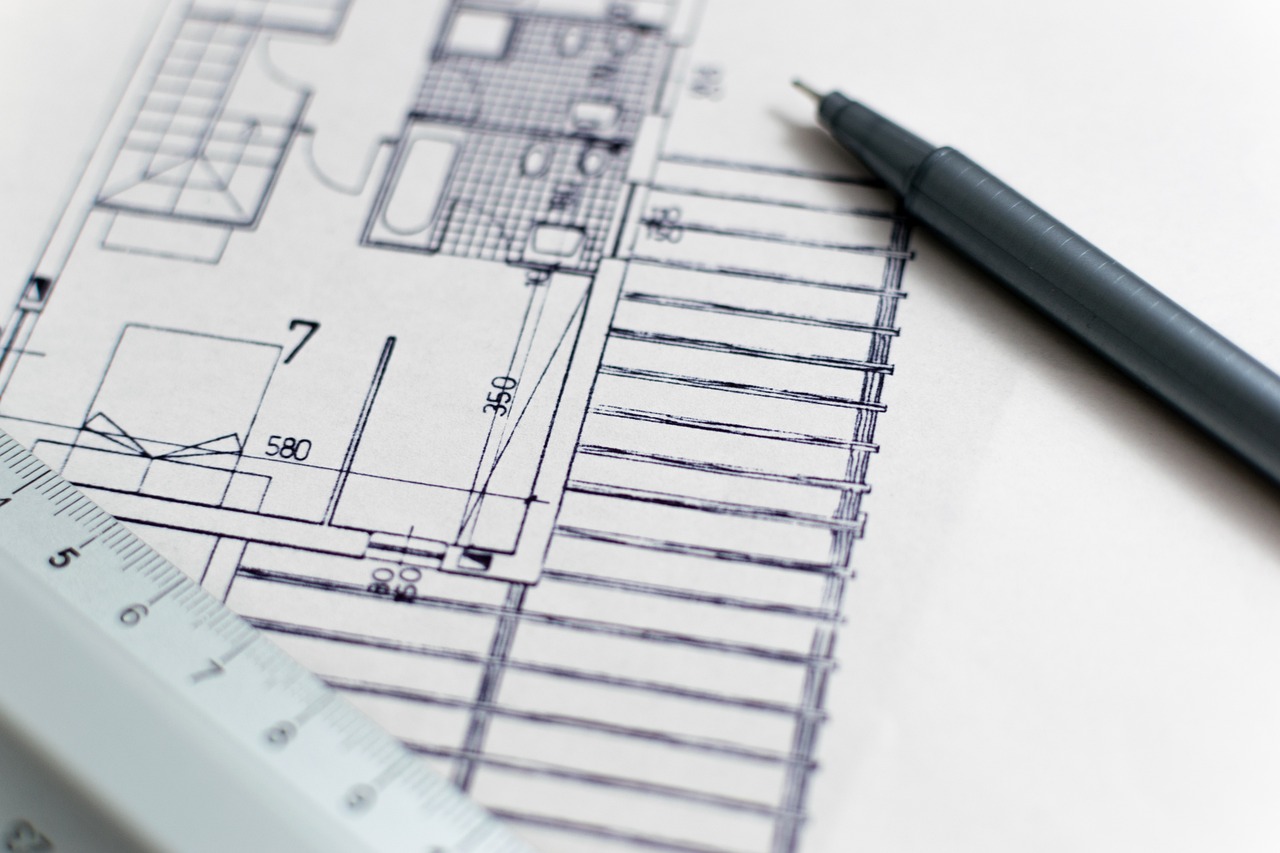
Adding an Accessory Dwelling Unit (ADU) to your home can significantly enhance its long-term efficiency and value, making it a smart investment for first-time homeowners looking to maximize their living space. Energy savings are a key benefit, as ADUs can be designed to incorporate advanced sustainable building practices. Strategic placement of windows, natural lighting, and insulation can reduce heating and cooling costs by up to 30% compared to standard homes, according to a 2020 study by the U.S. Department of Energy.
When planning an ADU, especially in small spaces, creative design ideas can make the most of limited real estate. Open-concept layouts, built-in storage, and multi-functional spaces are popular choices. A first-time ADU review from a trusted builder near you can provide valuable insights into these design strategies. Local ADU builders are well-versed in maximizing square footage, incorporating green building materials, and integrating renewable energy sources like solar panels or energy-efficient appliances. Consider the example of a 500-square-foot ADU built by a renowned local contractor, which not only doubled the living space for a family but also reduced their carbon footprint thanks to its smart design and energy-saving features.
Over time, an ADU can add substantial value to your property. According to a 2022 report by the National Association of Realtors, homes with ADUs sold for an average of 15% more than comparable properties without. This added value is particularly beneficial for first-time homeowners looking to build equity. Trusted ADU builders can guide you through the process, ensuring your investment is not only environmentally friendly but also financially prudent. They can help handle local building codes, zoning regulations, and permit requirements, ensuring your ADU design ideas are legally compliant and tailored to your specific needs and space.
Frequently Asked Questions About The Environmental Impact of Adding an ADU to Your Home
What is the environmental impact of adding an ADU to my home?
While adding an accessory dwelling unit (ADU) can increase your home's environmental footprint due to construction materials and energy use, it also has potential benefits. Well-designed ADUs can improve energy efficiency, reduce water consumption, and promote sustainable living practices. Solar panels and energy-efficient appliances can offset carbon emissions, and rain barrels can capture water for gardening, lessening strain on local water supplies. The overall impact depends on factors like construction methods, local climate, and the ADU's intended use.
Will an ADU increase my energy consumption?
ADU construction can slightly increase energy consumption, particularly in regions with cold winters or hot summers, due to additional heating and cooling needs. However, this can be mitigated through energy-efficient design choices, such as proper insulation, energy-star appliances, and smart thermostats. According to a 2020 study by the U.S. Department of Energy, well-designed ADUs can achieve energy savings comparable to or greater than the energy used by the average single-family home.
How does an ADU affect water usage?
ADUs can both increase and decrease water usage, depending on their design and features. New plumbing infrastructure can lead to higher water consumption, especially if not equipped with water-efficient fixtures and appliances. However, ADUs can also promote water conservation through practices like rainwater harvesting, greywater recycling, and drought-tolerant landscaping, reducing strain on local water sources.
Are there environmental benefits to having an ADU?
Absolutely. ADUs can contribute to environmental sustainability in several ways. They can:
- Encourage dense, walkable communities: ADUs allow for more housing in existing neighborhoods, reducing sprawl and preserving open spaces.
- Lower carbon emissions: Efficient design and renewable energy sources integrated into ADUs can significantly cut greenhouse gas emissions.
- Promote local food production: An ADU with a small garden can contribute to food security and reduce food miles traveled.
Who can help me design an environmentally-friendly ADU?
A team of professionals, including an architect, builder, and possibly a civil engineer and a field designer, can help you create an environmentally-conscious ADU. They should be familiar with local building codes and green building practices, such as LEED (Leadership in Energy and Environmental Design).
What incentives are available for building an environmentally-friendly ADU?
Local governments and utility companies may offer incentives, grants, or tax credits for building energy-efficient ADUs. Check with your local building department and utility provider for current programs. Federal tax credits for renewable energy and energy efficiency are also available in many cases.
For first time homeowners considering an ADU, this article has highlighted the multifaceted environmental impact of this expansion. From initial evaluation of your home's potential, to sustainable design choices, and navigating local regulations, each step is important. You've learned that an ADU can significantly reduce your carbon footprint through efficient energy use and responsible building practices. It's also a strategic investment, adding value to your property while meeting growing housing demands.
To bring these insights into action, start by consulting architects and ADU builders who understand local zoning laws and building codes. Explore green building materials and waste management strategies to minimize your project's environmental impact. Collaborate with lenders, financial advisors, and even student housing organizations to achieve practical and affordable financing options.
Remember, an ADU for first time homeowners isn't just about expanding living space; it's a responsible choice that balances personal needs with environmental stewardship. By implementing the strategies outlined, you can ensure your ADU not only enriches your life but also leaves a positive, sustainable footprint on your community.
For first-time homeowners, an ADU offers a sustainable, efficient, and valuable expansion. It requires careful planning, from feasibility (considering local zoning, building codes) to design (incorporating green features, strategic window placement) and construction (using local experts, navigating permits). An ADU can significantly reduce energy costs, increase home value, and promote sustainable building practices. Key benefits include improved environmental footprint, increased living space, and potential rental income.