As the cost of energy continues to rise, ensuring energy efficiency in your home, especially if you're a first-time homeowner with an ADU (Accessory Dwelling Unit), becomes increasingly important. An ADU offers valuable living space, but without proper insulation, it can be an energy drain. This guide is designed to empower you, a first-time homeowner with an ADU, by providing a straightforward, step-by-step approach to insulating your unit. We'll explore the common issues that lead to high energy bills, the role insulation plays in energy conservation, and practical, cost-effective solutions tailored to ADUs. By the end, you'll be equipped to make informed decisions and create a more comfortable, energy-efficient home.
- Understanding ADU Insulation: Basics for First-Time Homeowners
- Assessing Your ADU: Energy Audit for Optimal Insulation
- Choosing the Right Materials: Insulation Types for ADUs
- Installing Insulation: Step-by-Step Guide for ADU Owners
- Achieving Maximum Efficiency: Tips for ADU Insulation
- Long-Term Savings: Benefits of Insulating Your ADU
Understanding ADU Insulation: Basics for First-Time Homeowners

For first-time homeowners considering an Accessory Dwelling Unit (ADU), understanding insulation is crucial for both energy efficiency and long-term comfort. An ADU, whether a separate structure or converted garage, requires thoughtful insulation strategies tailored to its unique climate and design. Unlike a standard home, the compact nature of an ADU presents specific challenges and opportunities for energy conservation.
The right insulation type depends on factors like local climate, budget, and desired level of energy efficiency. In warmer climates, reflective roof materials and breathable wall insulation can help keep the interior cool, while colder regions might require deeper insulation in walls and roofs to maintain warmth. Professional ADU design services can guide first-time homeowners through these choices, recommending materials like cellulose, foam, or mineral wool based on specific needs. Reputable ADU building companies often include insulation as part of their packages, ensuring a complete and reliable installation.
Installation is key. While some ADU owners opt for do-it-yourself projects, same-day ADU installation by professionals is increasingly popular. This swift process ensures proper sealing and insulation, maximizing energy savings from the outset. Remember, a well-insulated ADU doesn't just lower utility bills; it also contributes to the overall comfort and livability of the space, making it a valuable asset for any first-time homeowner.
Assessing Your ADU: Energy Audit for Optimal Insulation
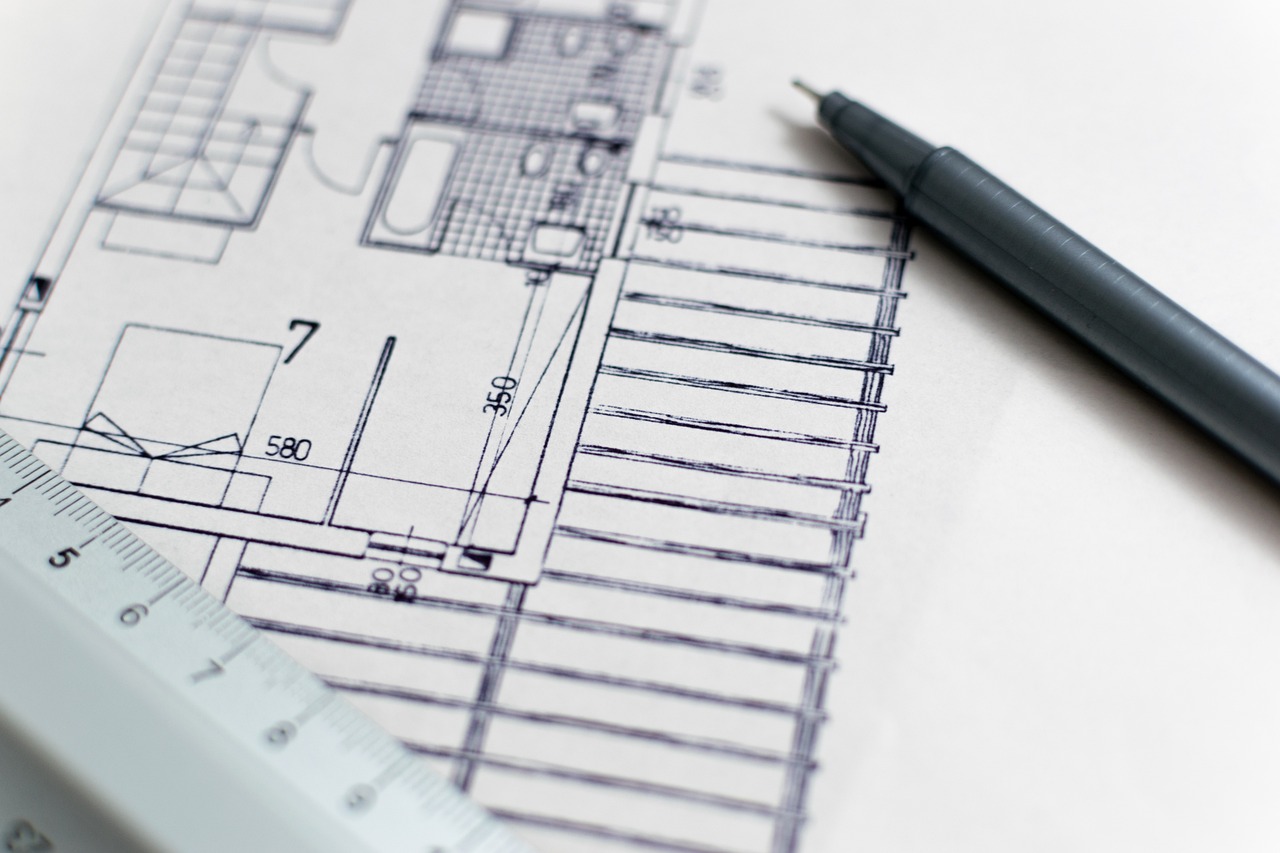
Before examining the insulation process, first-time ADU homeowners should conduct a thorough energy audit. This step is crucial as it provides a clear picture of your property's energy usage patterns, helping you identify areas for improvement. An energy audit involves a professional assessment that analyzes your ADU's insulation, heating, cooling, lighting, and other energy-related aspects.
The audit will generate a detailed report, outlining current energy performance, potential inefficiencies, and recommended upgrades. It might reveal inadequate insulation in your ADU's walls or ceiling, leading to heat loss during colder months. The report will then suggest the necessary insulation improvements, such as adding or upgrading insulation materials, along with estimated cost savings and return on investment (ROI). This proactive approach ensures that your ADU is not only comfortable but also energy-efficient, a key consideration for first-time ADU owners.
Understanding zoning laws for ADU construction is another essential aspect of the process. These laws vary by region and can impact the type of temporary housing solutions you can implement. First-time ADU reviews from local building departments or community organizations can provide valuable insights into what's permitted and what's not. By familiarizing yourself with these regulations early on, you can avoid costly delays and ensure your ADU meets all necessary energy efficiency standards.
An energy audit offers a unique opportunity to learn about local incentives and rebates for energy-efficient retrofits. Many communities offer financial assistance programs to encourage homeowners, including first-time ADU owners, to adopt sustainable practices. These incentives can significantly offset the cost of insulation improvements, making your ADU not just energy-efficient but also cost-effective.
Choosing the Right Materials: Insulation Types for ADUs
Insulating your ADU is a crucial step in maximizing energy efficiency, especially for first time homeowners venturing into this space. The right insulation type can significantly impact your utility bills and overall comfort. When planning your ADU space, consider the various insulation materials available and select one that balances cost, R-value, and ease of installation.
Traditional insulation materials like fiberglass and cellulose are cost-effective and widely used. These materials are effective at blocking heat transfer, helping to keep your ADU cool in summer and warm in winter. However, they may require more maintenance and can be less effective in damp environments. On the other hand, foam insulation offers superior R-values, making it an excellent choice for achieving maximum energy efficiency. While it might be more expensive upfront, its long-term benefits outweigh the initial cost.
First time ADU reviews often highlight the importance of proper insulation. Trusted ADU builders near me recommend using insulation that is tailored to your climate and the specific needs of your ADU space. If your ADU is in a humid region, consider a water-resistant insulation like mineral wool. Always check local building codes and energy efficiency standards, as these can guide your insulation choices. Remember, the right insulation type can transform your ADU from a simple additional living space into an energy-efficient haven.
Installing Insulation: Step-by-Step Guide for ADU Owners

For first-time homeowners considering an ADU, proper insulation is crucial not just for comfort, but also for increasing your home's energy efficiency and value. Installing insulation in your ADU is a straightforward process that, when done correctly, can significantly cut utility costs and enhance the overall comfort of your living space.
The first step is assessing your ADU's insulation needs. Start by checking the walls, ceiling, and floors for existing insulation. If it's an older unit or has been previously renovated, it's important to evaluate the type and thickness of the insulation. Blown-in insulation offers excellent R-values (the measure of insulation effectiveness) and is ideal for tight spaces, while batt insulation is more common in traditional framing and provides good coverage. Once you've determined the type needed, gather the necessary materials, which may include insulation rolls, blow-in insulation machine (if using blown-in), tape, and a utility knife.
Next, prepare the space by clearing any debris or furniture. If you're installing blown-in insulation, use the machine to inject it into the walls and ceiling, ensuring even distribution. For batt insulation, cut to size and secure it to the studs using tape. In all cases, ensure proper sealing around windows, doors, and any other penetrations to maintain the insulation's effectiveness. This step-by-step approach, while basic, is a foundational component of making your ADU energy-efficient. Professional ADU design services can offer tailored advice based on your specific space, and reliable ADU building companies can assist with the installation process, ensuring a job well done. Remember, increasing your home's value with an ADU starts with smart, strategic insulation choices.
Achieving Maximum Efficiency: Tips for ADU Insulation
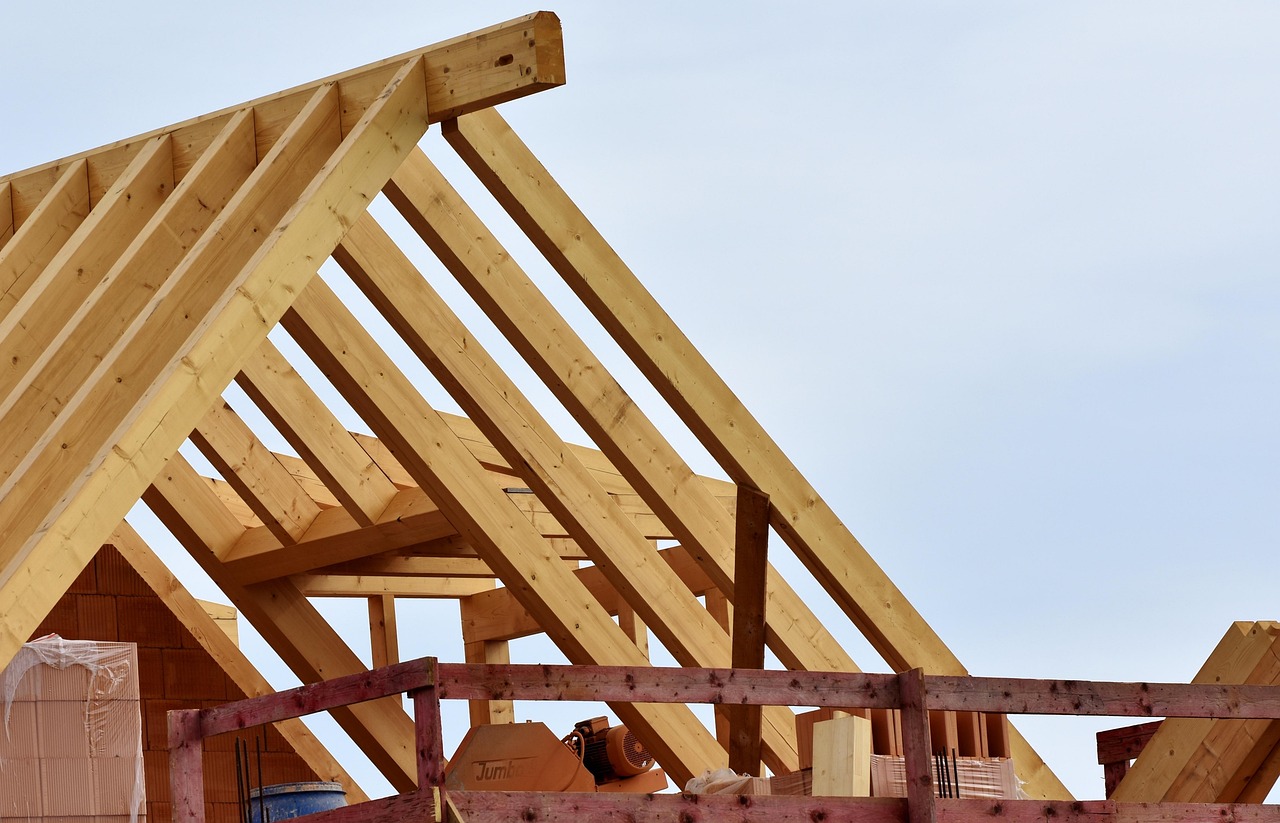
For first time homeowners considering an Accessory Dwelling Unit (ADU), proper insulation is a crucial step towards maximizing energy efficiency. This is especially important in regions with varying climates, where an ADU can serve as both a rental source and a private residence. A well-insulated ADU not only reduces energy costs but also enhances comfort levels for occupants.
To achieve maximum efficiency, focus on the key areas: walls, ceiling, and floor. First time ADU homeowners should aim for an R-value between 30 and 40 for walls and 12-15 for the ceiling. These values ensure adequate insulation against heat transfer. A certified ADU renovator can recommend using blown-in insulation or foam boards, depending on the structure. For floors, consider a combination of radiant heat and floor insulation. This dual approach not only maintains temperature but also reduces noise transfer between units.
Engaging nearby ADU construction experts or reading first time ADU reviews from satisfied homeowners can provide valuable insights. These sources often highlight the importance of proper insulation and the long-term benefits, such as increased property value. Remember, a well-insulated ADU is not only an energy-efficient space but also a smart investment. By taking the time to understand and implement the best insulation practices, first time ADU homeowners can enjoy a comfortable, cost-effective living space for years to come.
Long-Term Savings: Benefits of Insulating Your ADU
For first time homeowners considering an Accessory Dwelling Unit (ADU), insulating your ADU is a strategic move that goes beyond aesthetics. It's a crucial step towards making your investment more comfortable and financially viable in the long run. Effective insulation offers significant energy efficiency benefits, translating to lower utility bills for the long-term.
First time ADU landlords can look forward to substantial savings. This not only cuts down on monthly expenses but also makes your ADU a more attractive rental option. A well-insulated ADU in a warmer climate may appeal to tenants looking for a cooler, more comfortable living space during the summer months. With careful planning and the right financing options, same-day ADU installation is possible, allowing you to quickly maximize your energy savings.
While the initial cost of insulation might seem steep, it offers a sound long-term investment. First time ADU landlords can explore various financing options to make the process more manageable. A comprehensive legal guide tailored for first time homeowners navigating the ADU landscape can help you understand the benefits and potential drawbacks of different insulation types. By making informed choices, you can ensure your ADU is not only energy-efficient but also a smart addition to your property that increases its overall value.
Frequently Asked Questions About Insulating Your ADU: A Beginner's Guide to Energy Efficiency
What is an ADU, and why should I insulate it? An Accessory Dwelling Unit (ADU) is a secondary residential unit, often detached or converted from existing space, located on a property. Insulating your ADU is crucial for energy efficiency, offering significant cost savings on utility bills. Proper insulation helps maintain comfortable indoor temperatures, reduces noise, and increases the unit's value, making it a smart investment for first-time homeowners.
How do I know if my ADU needs better insulation? Examine your ADU for drafts, temperature variations, or loud noise from outside. If you notice any of these issues, it could indicate inadequate insulation. Older ADUs or those converted from non-residential spaces may lack sufficient insulation, making them prime candidates for upgrades.
What types of insulation are best for an ADU? For optimal energy efficiency, consider fiberglass or cellulose insulation, which are cost-effective and easily installed in tight spaces. These materials are effective at blocking heat transfer and noise, providing a quiet, comfortable environment. Spray foam insulation is another option, offering superior air sealing and the ability to fill hard-to-reach cavities.
How do I decide where to insulate in my ADU? Focus on areas with the most thermal mass and air leaks. Roofs, walls, and floors are typically the most important to insulate. Look for places where the ADU meets the main house, windows, doors, or any other potential entry points for heat or noise. A professional energy audit can help identify specific areas for improvement.
How long does it take to insulate an ADU? Most insulation jobs in an ADU can be completed within one to two days, depending on the scope and complexity. This includes preparation, installation, and any necessary trimming. It's best to work with a licensed contractor experienced in energy-efficient retrofits to ensure the job is done right.
Will insulating my ADU increase its value? Absolutely. Improved energy efficiency is a significant selling point for any property. Well-insulated ADUs are more comfortable, quieter, and generally more desirable to buyers, potentially increasing the property's value and marketability.
Are there any local regulations or incentives for ADU insulation? Check with your local building department for specific codes and regulations regarding ADU insulation. Some regions offer incentives or rebates for energy-efficient upgrades, which can offset the cost of insulation materials and installation.
Insulating your ADU is a crucial step for first time homeowners looking to enhance energy efficiency and slash utility bills. By understanding the unique insulation needs of an ADU, assessing its current energy performance, and selecting the right materials, you can achieve significant long-term savings. The process, detailed in this guide, involves careful planning, expert guidance, and a step-by-step installation process.
By implementing these strategies, adu for first time homeowners can transform their secondary dwelling units into energy-efficient spaces, contributing to both comfort and financial stability. The investment in insulation pays off over time, making your property more attractive and potentially increasing its value. This beginner's guide equips you with the knowledge to make informed decisions, ensuring your ADU is not only a comfortable living space but also a smart financial choice.
For first-time ADU homeowners, proper insulation is key to energy efficiency and comfort. It requires considering climate, budget, and desired energy savings. An energy audit identifies areas for improvement, while local building codes guide insulation choices. Professional design services and same-day installation can maximize energy savings and property value. Start with a thorough assessment, choose the right materials, and engage experts for a successful, energy-efficient ADU.